










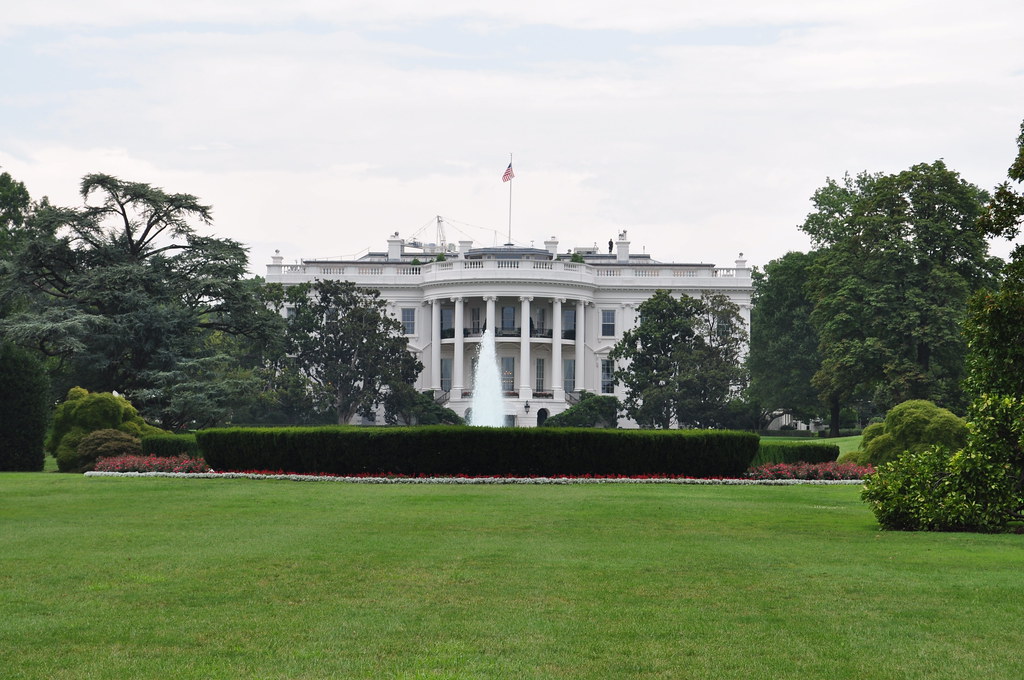
On January 7, 2026, President Donald J. Trump sent a presidential memorandum from the White House directing all federal agencies to discontinue support, funding, and participation from a list of 35 non-United Nations organizations and 31 UN organizations, the UN Framework Convention on Climate Change (UNFCCC) most notably. Trump stated “I have considered the Secretary of State’s report and, after deliberating with my Cabinet, have determined that it is contrary to the interests of the United States to remain a member of, participate in, or otherwise provide support to the organizations listed in section 2 of this memorandum,” according to the White House.
This action has prompted great controversy, especially among Congress and other law experts. According to Article II Section 2 of the Constitution, the President is allowed only to make treaties “…provided two thirds of the Senators present concur.” All of these treaties and organizations that the Trump Administration has chosen were legally entered into with the advice and consent of the Senate, but there is nothing in the Constitution that outlines procedures for withdrawal from a treaty. There are several competing interpretations of this since according to the Constitution, “The executive Power shall be vested in a President of the United States of America” (Article II, Section 1), the President may make any such choices and withdraw from any such organizations as he deems necessary and does not require approval or any other check to be enacted by another branch of government as there is no further specification. Alternatively, as this is in relation to treaties, which are reviewed and approved by the Senate, then it is the Senate that should be consulted if withdrawal is being considered and this action must require congressional approval.
Trump’s intention here is likely to increase the United State’s economic independence and superiority, as this will remove some regulations and restrictions (most namely environmental regulations) from US corporations, allowing them to function more efficiently and generate more revenue, thus fueling the economy. However, this will come at the cost of environmental damage. Trump has claimed in the past that climate change is a “hoax”, which explains his willingness to move the US away from international environmental agencies such as the UNFCCC and the Commission for Environmental Cooperation.
It will take about a year for the US to fully withdraw from all agencies, but these actions will significantly reduce the effectiveness of all of these organizations due to the large amount of funding and support the US has been providing being taken away. According to the Council on Foreign Relations, at the beginning of 2025, Trump reduced the US’s funding to the UN from 31% to 22% of the UN’s total budget, and now the US contributes 0%, as they have withdrawn. His administration has also blocked several US scientists from traveling overseas for research purposes. According to BBC, this “…could significantly delay the release of the next set of IPCC reports, including potentially its mitigation report – a key document guiding governments on how to tackle climate change.”
This story is continually developing, as the world considers what to do following this controversial move by President Trump. These actions can and will have serious environmental implications, especially here in the US, that will be seen within our lifetimes. If this move is not reversed, then you should expect our summers to get even drier and winters even warmer.