











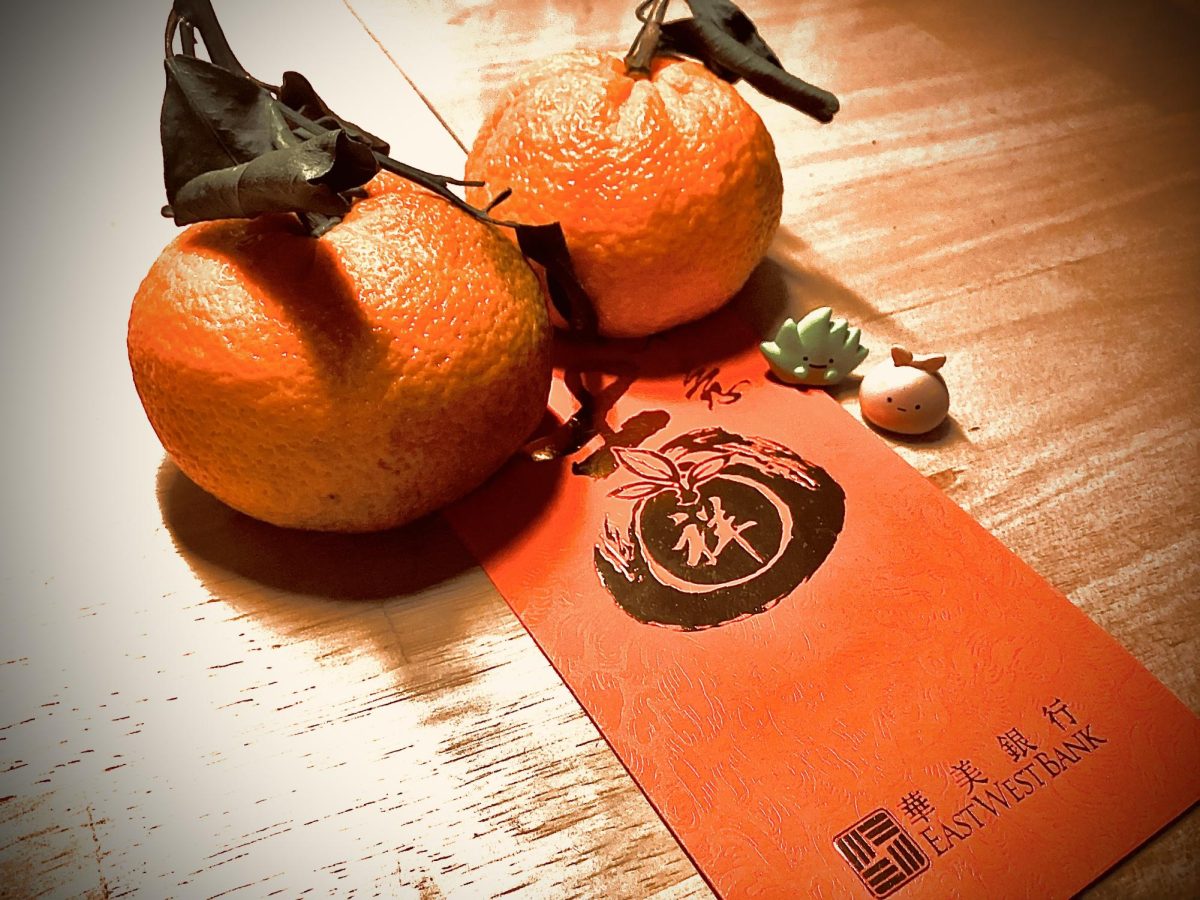
The first day of the Lunar New Year was on Feb. 17, 2026, but the holiday extends for two weeks. This important holiday marks the first day of the ancient Lunar calendar observed in Asian countries such as China, Vietnam, Malaysia, South Korea, and Singapore. During this two-week period filled with fun and joy, countless families across the world gather and partake in unique celebrations to wish for a lucky year ahead. This year (2026), the year of the Fire Horse, is represented by a Chinese zodiac animal associated with independence, rapid change, and momentum.
Recently, I interviewed multiple students here at Timberline to explore how they celebrated the holiday. They shared their favorite Lunar New Year foods and traditions unique to their culture. Here’s what they had to say.
China (春節, chūnjié)
Charlotte Meng: In my family, Lunar New Year marks the end of a year and ushering in a fresh start. Before New Year’s Day, all members of my family partake in deep-cleaning the house to stave off misfortune. The night before, we eat whole fish (for surplus) and long noodles (for longevity). At home, doors are decorated with red banners with Chinese characters symbolizing prosperity and good luck. On New Year’s Day, the whole family gathers to wrap dumplings and wish my extended family another fortune-filled year via phone call.
S.W. (So.) also shared her love for Lunar New Year festivities. She revels in multiple family traditions, such as watching Chinese dance performances on TV, attending the celebration at JUMP, and calling family in China to wish them a prosperous year. For New Year’s dinner, she gathers with her friends and family to celebrate with hot pot, dumplings, and pineapple cake for dessert. To wrap up the night, the adults in her family play cards and give the children hong bao, or red envelopes containing money.
Korea (설날, Seollal)
I had the pleasure of interviewing Jiye Han (So.) about what she does to celebrate Korean New Year, or Seollal. For her, cherished traditions include playing Yutnori, a traditional Korean game, and eating tteokguk, a rice cake soup that symbolizes becoming one year older. Another integral aspect of Seollal is the New Year’s Bow, where children and teens bow in front of grandparents to wish them a healthy year and receive money envelopes from them in turn. While she mostly celebrates the holiday at home, Han enjoys gathering with family to eat good food and to just have fun.
Vietnam (Tết)
For Ella Le (So.), Lunar New Year, known as Tết in Vietnam, symbolizes unity and reflecting on accomplishments and goals. Every New Year, she and her family prepare traditional food such as bánh tet (sticky rice cake), mút tet (dried fruit snacks), braised pork and eggs, and Vietnamese pickled vegetables. Some of Le’s favorite aspects of Tết not only include attending the Buddhist temple for prayer, but also observing the Vietnamese zodiac (which is distinctly different from other zodiacs). Ultimately, she cherishes the excitement of both American New Year and Tết, remarking that “celebrating [Tết] together is always more fun when wishing for a prosperous year.”
Happy Lunar New Year, everyone!