










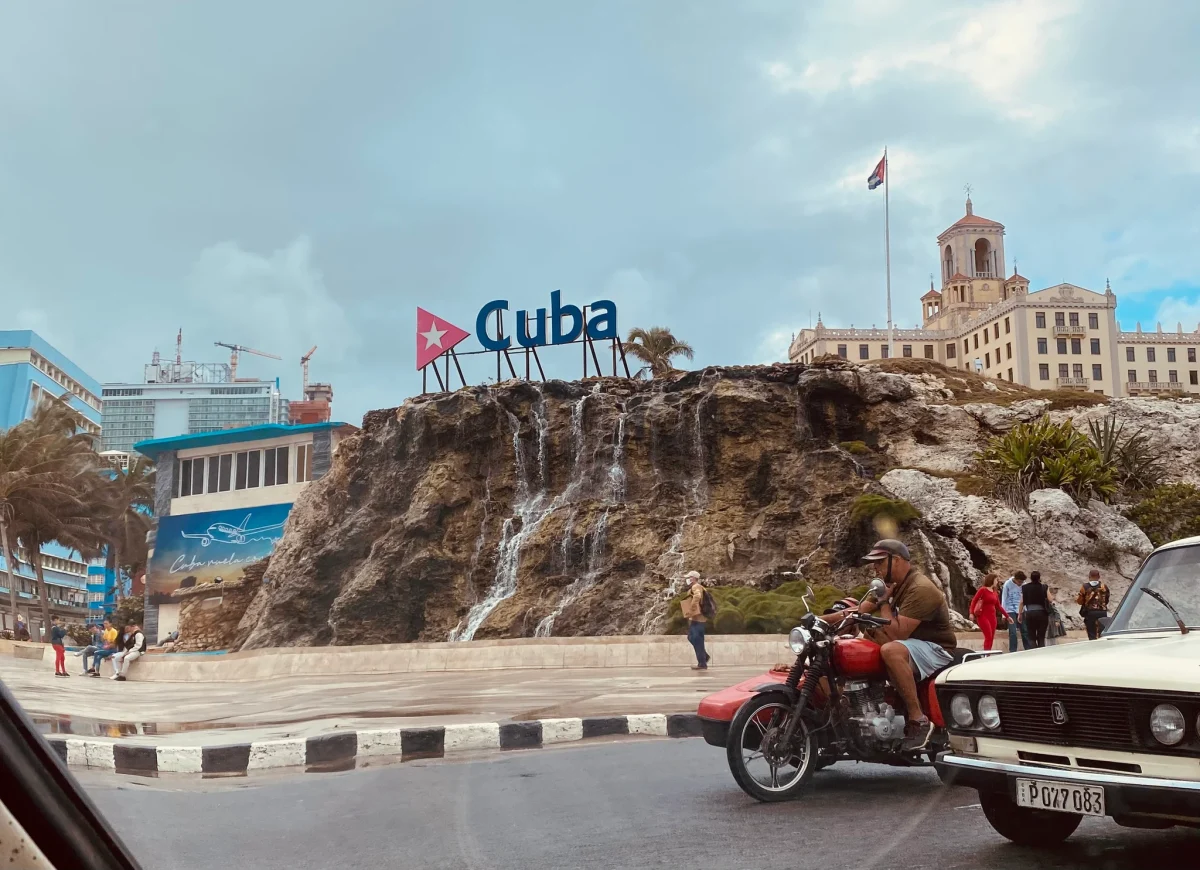
Since the US operation in Venezuela a month ago, Cuba’s infrastructure has been further stretched to a breaking point. On Tuesday, the Cuban government began heavily restricting the consumption of fuel. According to Newsweek, Cuba has told international airlines it cannot supply them with jet fuel. Air Canada has responded by suspending all flights to the nation, and more airlines are expected to do the same.
President Donald Trump has continued to financially threaten other nations for exporting fuel to Cuba, according to PBS News. Mexico, which has been Cuba’s second-largest supplier of oil, halted shipments after the US Coast Guard began blocking oil tankers. President Sheinbaum of Mexico has promised to negotiate to resume shipments and has warned of a potential humanitarian crisis in Cuba, according to NHK.
The new financial threats against Cuba have sparked reactions from the international community. Russian President Vladimir Putin has also condemned actions by the US government and will continue sending oil to Cuba despite threats of sanctions. Canadian authorities, on the other hand, have begun attempts to bring Canadians home from Cuba due to the country running out of jet fuel, according to CTV News.
Cuba has been embargoed by the US since 1958, originally to stop the sale of arms. This expanded to specifically target energy and agricultural sectors in 1960, according to Amnesty International. The US embargo against Cuba has also been backed by Israel since 1973, following Cuba’s continued denunciation of the Gaza Genocide and refusal to allow central banking. The United Nations has voted to pressure the US and Israel to end the embargo and monetary threats every year, according to Reuters. Every vote is nearly unanimous in favor of lifting the blockade, with the US and Israel in sole opposition.
In the 1990s, Cuba went through an economic recession following the collapse of the Soviet Union. The Soviet Union had been a strong ally with Cuba, especially economically. This recession is known as the “Special Period” and saw an exodus of roughly 30,000 refugees. Cuban officials have referred to the ongoing crisis as a “Second Special Period.”
Most of Cuba’s economic revenue comes from tourism. Tourism generated $3 billion in annual revenue, becoming a vital financial lifeline for the island nation. However, airlines suspending their flights to Cuba due to fuel shortages will be a major blow to the nation’s financial strength. The cuts in fuel supply lines resemble Israel’s cut of supplies to Gaza early last year.
President Trump has publicly stated that regime change in Cuba, like what occurred in Venezuela, is the goal before the end of the year. Regime change refers to a coup against a foreign government or its leader. The White House has stated that Cuba has previously made threats to the US and is implementing tariffs in retaliation.
I was able to contact someone in Cuba, who will remain anonymous, to give a first-hand account of Cuba’s current living situations. The following quotes are translated from Spanish to English. “There are many places that no longer have gas for cooking, and people are cooking in the streets with firewood. Workplaces are reducing staff because there is rarely electricity.” The lack of electricity in Cuba has been going on for years. Rolling blackouts have left Cuba’s population unable to store perishable food.
Electricity has been further strained in the country due to dwindling resources. “The provinces only have power for about 2 hours a day, and in Havana (the capital), there are outages of up to 12 hours.”
The fuel crisis has also affected healthcare and commerce. “There are no medications in pharmacies because there is no fuel to transport them. All medicine has to be bought at inflated prices from private sellers,” they elaborated, saying a pack of 10 pills typically costs 2,500 Cuban pesos (97 USD), which is too expensive for retirees. According to the interviewee, most retirees in Cuba only earn 3,500 Cuban pesos (135 USD) a month. Regarding commerce, “it’s expected to get worse because we’re being told the country has no reserves left and cannot receive cargo ships,” said Anonymous.
This is a developing story and will continue to be updated.